
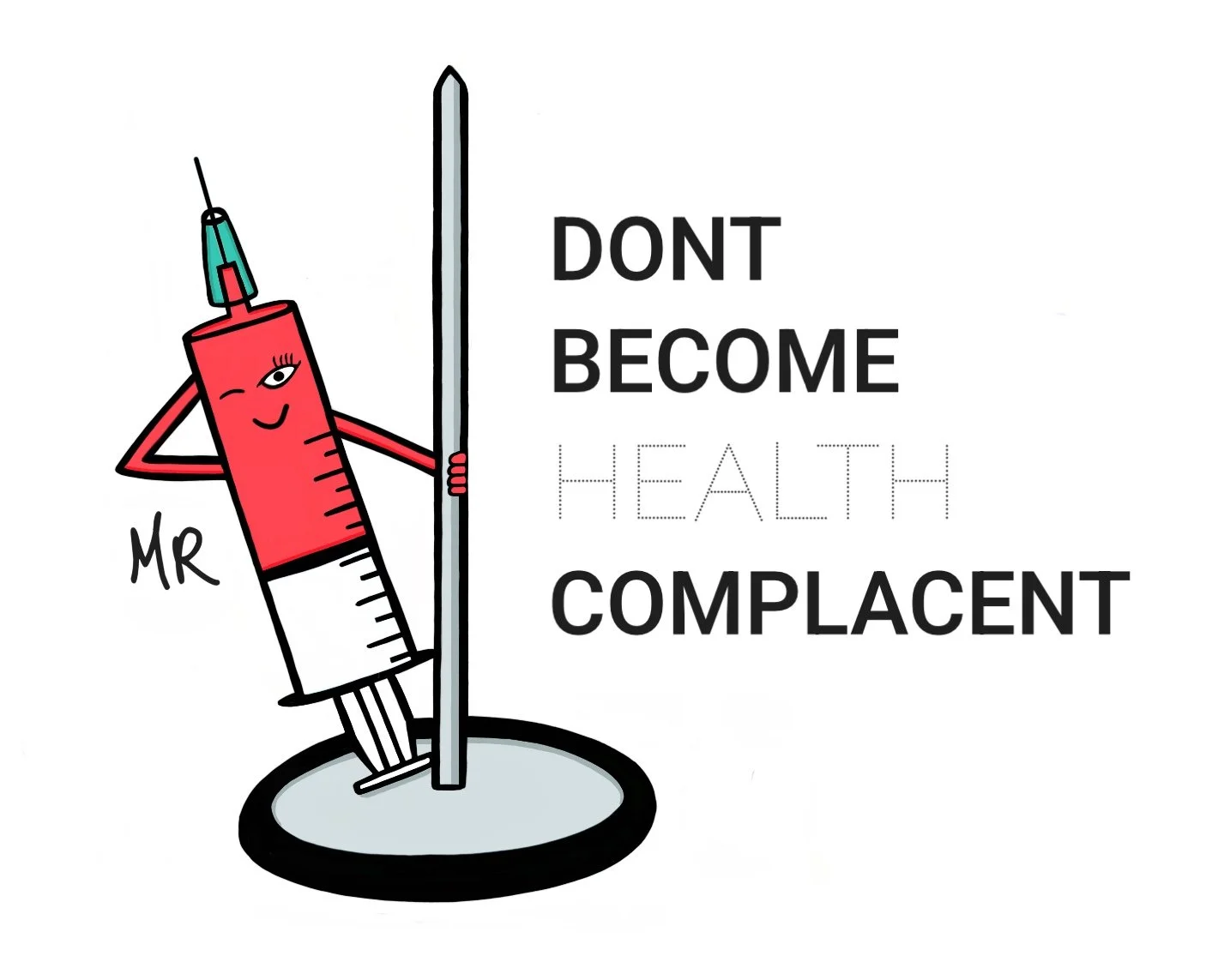
We as humans are great at waiting until something goes wrong before we sort it out.
Take the creation of the seatbelt. Businesses initially prioritised mass production over injury prevention.
We tend to do the same with our health. We wait until a heart attack strikes before changing our ways.
We let blindness set in before we become stricter with our diabetes medication.
I even admit to burning out at work before making a change.
Having worked in healthcare for over a decade, sadly I have seen many other sad circumstances in which a change in lifestyle could have influenced the outcome for the better.
But making and maintaining a change is really difficult. Not only do we have to deal with our inner selves, but also outside pressures, temptations, comforts, distractions and conflict of our modern world.
Healthcare advances continue to play its part as well, providing the passive treatment. These have their place, but at the same time are they not making us addicted and/or passive with our health?
Evidence by Pasquale et al 2015 concluded that those who have a joint injection go on to have greater healthcare utilisation.
For the physiotherapists out there, what do we reckon is the long term compliance rate for the exercises we prescribe, after a successful joint injection? Variable to say the least. The same could be said for weight loss advice.
When a relative of mine was prescribed hypertension medication, as a side note she was vaguely told to exercise more and reduce stress. A little difficult when both her parents had just passed away. Not particularly personalised or effective.
Is there going to be a future trend where we become scared to come off these weight loss injections? How is this bettering our health and wellbeing!
We cant become so complacent with our health. We cant let pills, jabs and even surgeries be the excuse to not exercise, eat right or work on our inner selves.
As clinicians we have to be open about the effects of passive treatments. We should do more to question beliefs, improve motivation and support our patients to make long term lifestyle change, especially when symptoms have stabilised. Its a opportunity.
It is the path of more resistance but its the right one. Its the one that is going to reduce demand on the NHS and help us age well.
I appreciate with limited time and dwindling energy, to have deeper conversations and question quick fix friction is difficult. This is more of a system problem that failing clinicians.
To make it that little bit easier, up skilling in health coaching may be the pill we all actually need.
Matt Rowan- Physiotherapist & Health coach.